In brief
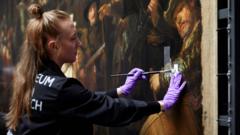
The renowned Rijksmuseum in Amsterdam has initiated the most comprehensive restoration project of Rembrandt's masterpiece, The Night Watch, following extensive research and advanced scientific techniques. This monumental endeavor, known as "Operation Night Watch," allows visitors to witness the restoration in real-time within a specially designed glass-enclosed space in The Night Watch Room.
The restoration process commenced with the careful removal of varnish, applied during a previous restoration in 1975-76, by a team of eight skilled restorers, utilizing microfibre cloths and cotton swabs. Rijksmuseum director Taco Dibbits expressed excitement about the venture, stating that unveiling the painting's hidden layers would offer insights into its eventful past for both art enthusiasts and the general public alike. Originally commissioned for Amsterdam's Arquebusiers Guild Hall, The Night Watch, painted in 1642, is recognized as one of the pivotal works of the Dutch Golden Age. The painting, known for its dynamic portrayal of a group in action, tells the story of Captain Frans Banning Cocq and his infantry mustering. While the original title is lengthy, much of the public now identifies it simply as The Night Watch — a misnomer stemming from the artwork’s darker aesthetic that stemmed from layers of accumulated dirt and varnish over the years. The painting has faced multiple security threats, including acid attacks and violent damage, resulting in a need for frequent restoration efforts throughout its history. This latest initiative, which builds on more than 25 treatments since its inception, reflects a growing commitment to preserving cultural heritage, with more than two million visitors viewing the masterpiece annually. The public can now engage with the restoration process as it unfolds, capturing the artistry and significance of Rembrandt’s work in rejuvenated detail.